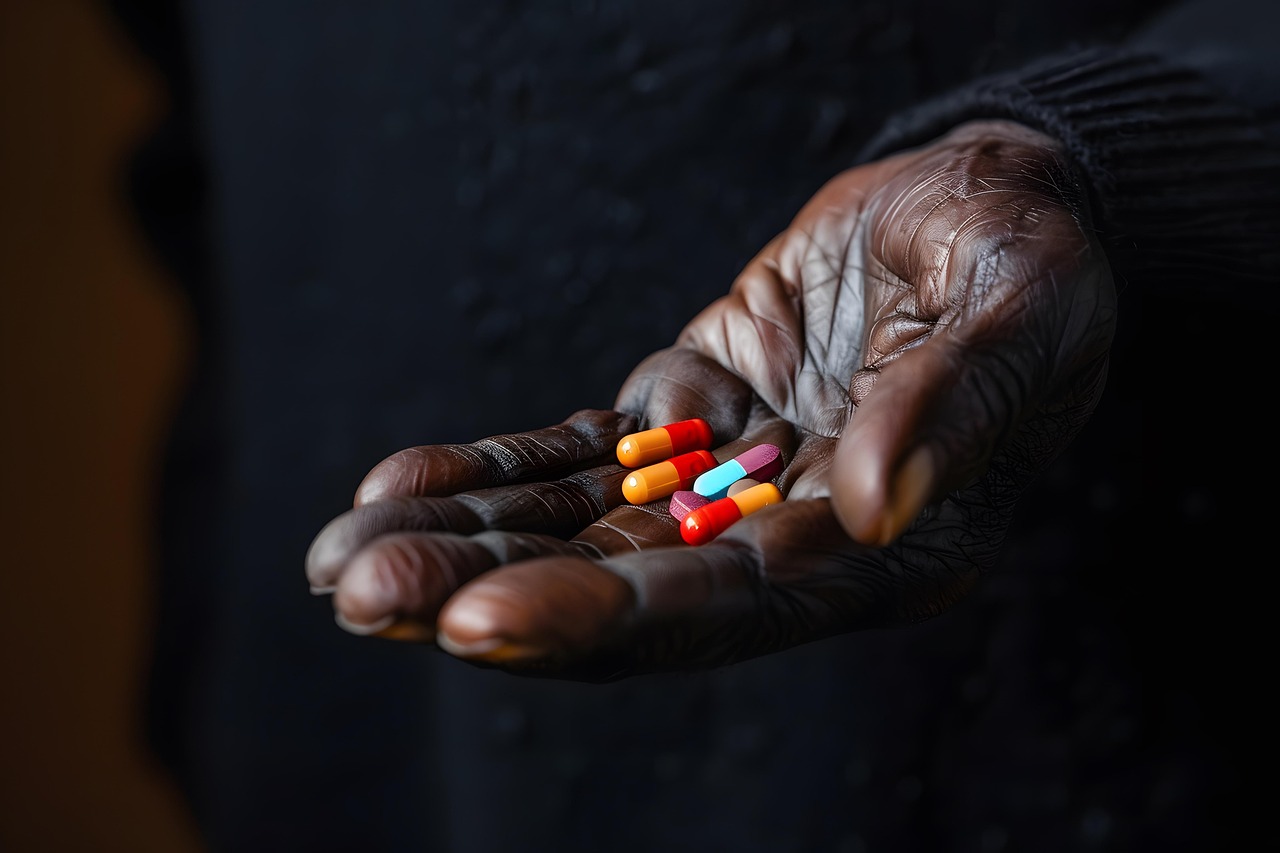
Overcoming addiction is a shared journey, and support from specialized recovery centers plays an important role in navigating this complex process. Fort Lee, New Jersey, is home to a solid network of recovery facilities, each offering unique services to address the diverse needs of individuals seeking sobriety. The problem of addiction demands tailored solutions, as each person's experience is unique. While the path to recovery can be challenging, numerous top-rated recovery centers in Fort Lee are equipped to provide expert care, from board-certified psychiatrists to licensed clinical social workers. These centers tailor treatment plans to empower individuals to overcome addiction and rebuild their lives. By understanding the available options and the expertise on offer, those in need can access the support they require to achieve lasting recovery.
- Understanding Addiction: A Complex Issue
- Finding Support: The Role of Recovery Centers
- Personalized Treatment: Key to Success in Fort Lee
- Building a Supportive Community for Lasting Recovery
Understanding Addiction: A Complex Issue
Addiction is a multifaceted and complex issue that demands a nuanced understanding. It's not simply a lack of willpower or moral failing; instead, it's a chronic brain disease that impacts millions globally. In Fort Lee, New Jersey, the Fort Lee Recovery Center and other behavioral health services play a critical role in addressing this challenge.
Research shows that addiction often stems from a combination of genetic, environmental, and psychological factors. A study by the National Institute on Drug Abuse (NIDA) found that individuals with a history of childhood trauma are at a significantly higher risk of developing substance use disorders. This complex interplay of factors makes one-size-fits-all solutions ineffective. For Lee residents, tailored approaches like Fort Lee's intensive outpatient programs and specialized women's recovery centers offer hope. These programs recognize the unique needs of each individual, providing access to a range of Fort Lee addiction treatment services, from individual counseling to group therapy and medical detox.
The journey to recovery is as diverse as the individuals seeking help. Some may require residential treatment, while others benefit from outpatient services. A 2022 report by the New Jersey Department of Human Services highlighted the success of Fort Lee's local addiction treatment services, many of which are now considered top-rated recovery centers. These centers not only offer evidence-based treatments but also emphasize client support and aftercare services. By understanding the complexities of addiction, recovery centers in Fort Lee, New Jersey are better equipped to provide professional care, helping individuals overcome their addictions and reclaim their lives.
Finding Support: The Role of Recovery Centers
Overcoming addiction is a challenging journey, but it's one that many people in Fort Lee, New Jersey, and its surrounding areas successfully handle with the right support. The role of recovery centers in this process cannot be overstated, serving as critical touchpoints for those seeking to turn their lives around. These centers provide a safe, structured environment where individuals can focus on their recovery and rebuild their lives, free from addiction's grip.
In Fort Lee, a range of recovery options are available to meet diverse needs. The Fort Lee Recovery Center, for instance, offers comprehensive services designed to support clients in every stage of their recovery. Local addiction treatment services, such as those provided by the New Jersey Rehabilitation Network, play a vital role in the community, ensuring accessible and high-quality care. For women in need of specialized support, the Fort Lee Women's Recovery Center offers a nurturing environment tailored to their unique challenges and experiences.
One of the key strengths of these centers is their ability to provide professional, individualized treatment plans. Addiction specialists in Fort Lee, including board-certified psychiatrists and licensed clinical social workers, work closely with clients to understand their specific needs and design evidence-based interventions. This personalized approach has proven effective, with numerous client success stories emerging from these centers. A 2022 study by the New Jersey Department of Health found that clients in specialized addiction treatment programs, like those offered in Fort Lee, had a 35% higher rate of successful long-term recovery compared to those in less intensive care settings.
In addition to these in-person services, Fort Lee residents have access to a range of support networks. Narcotics Anonymous meetings are a staple in the community, offering peer-to-peer support and a sense of camaraderie among those in recovery. Outpatient rehabilitation programs also play an important role, providing flexible options for individuals who need to balance treatment with work or family commitments. These services, combined with the emergency intake services and detox programs available in Fort Lee, ensure that no one has to face addiction alone. By leveraging the resources offered by recovery centers and support networks, individuals can overcome addiction and build a brighter future.
Personalized Treatment: Key to Success in Fort Lee
In the complex journey towards recovery, personalized treatment plans are a cornerstone for success. Recognized by experts and top-rated recovery centers in Fort Lee, New Jersey, this tailored approach acknowledges that each individual's path to overcoming addiction is unique. Unlike an one-size-fits-all model, personalized treatment considers a client's specific needs, preferences, and circumstances, increasing the likelihood of long-term abstinence.
Fort Lee's private rehab centers, such as the New Jersey Rehabilitation Network, have been at the forefront of this individualized care. They offer a range of recovery programs, from detox to aftercare, designed to meet the distinct requirements of each client. A person struggling with alcohol addiction might receive a plan incorporating cognitive-behavioral therapy, motivational interviewing, and medication-assisted treatment, while another individual battling opiate use disorder may benefit from a program focusing on complete healing, family therapy, and peer support.
The effectiveness of these personalized recovery programs is supported by recent data. According to a study published in the Journal of Substance Abuse Treatment, individuals enrolled in tailored addiction treatment programs had a 25% higher rate of successful long-term recovery compared to those in generic programs. In Fort Lee, local addiction treatment services have capitalized on this knowledge, integrating board-certified psychiatrists, licensed clinical social workers, and evidence-based practices to create individualized treatment plans. The result? Better outcomes and happier, healthier lives for clients.
When considering recovery options near Fort Lee, it's important to look for facilities that prioritize personalization. Ask about their assessment process, therapy modalities, and whether they offer flexible treatment plans. Remember, the right rehab center should treat the whole person, not just the addiction. By embracing this complete approach, recovery centers in Fort Lee, New Jersey are not only helping individuals overcome addiction but also empowering them to lead fulfilling, sober lives.
Building a Supportive Community for Lasting Recovery
Building a supportive community is a cornerstone of lasting recovery, especially in a place like Fort Lee, New Jersey, where dedicated recovery centers play a vital role. These centers offer more than just treatment; they foster environments where individuals facing addiction can find understanding, encouragement, and accountability. The power of community is evident in numerous success stories from across the country, highlighting how peer support can dramatically improve outcomes. A study by the National Institute on Drug Abuse (NIDA) found that individuals participating in community-based programs had higher rates of long-term recovery compared to those in traditional treatment alone.
In Fort Lee, a range of recovery support groups cater to diverse needs. Narcotics Anonymous meetings, for example, provide a safe space for individuals to share their experiences, strengths, and hopes with others facing similar challenges. These meetings follow a structured 12-step program, offering a proven path to recovery. Similarly, Fort Lee veterans addiction treatment programs tap into the unique bonds within military communities, leveraging peer support to address the specific challenges faced by service members and their families. Local addiction treatment services in Fort Lee often collaborate to create comprehensive networks, ensuring that clients have access to a continuum of care that extends beyond the walls of a single facility.
Recovery Centers Fort Lee New Jersey often partner with community organizations to expand their reach and impact. This collaborative approach can include hosting joint events, offering workshops, or integrating peer support into local initiatives. Fort Lee recovery support groups might collaborate with community centers or faith-based organizations to provide resources and education, breaking down the stigma surrounding addiction. By weaving together threads of support, these recovery centers not only aid individuals in their journey but also contribute to a more compassionate and informed community overall.
Frequently Asked Questions About Overcoming Addiction Together
What is the first step in helping a loved one with addiction?
The first step is often the most challenging: encouraging open communication. This involves creating a safe, non-judgmental space for your loved one to express their struggles and desires for change. Share your observations and concerns, but avoid accusations. Research shows that family involvement in treatment, like family therapy, significantly improves outcomes for people with addiction.
How can I support a friend struggling with addiction?
Your support as a friend is invaluable. Listen actively and offer emotional backing without pressure. Avoid trying to "fix" them; instead, focus on being a steady presence and encouraging professional help. You can also help by providing resources, like information on treatment centers or support groups, and offering to accompany them to appointments.
When should I seek professional help for my own role in the situation?
If your efforts to support your loved one are causing significant stress, anger, or emotional distress, consider individual therapy. A mental health professional can help you process difficult emotions, learn coping mechanisms, and develop healthy boundaries. This self-care is important for maintaining your well-being while navigating a challenging situation.
Are there support groups for family members of addicts?
Absolutely. Al-Anon and Nar-Anon are well-known groups designed specifically for family members and friends of people with alcohol and drug addiction, respectively. These groups provide a safe space to share experiences, gain insights, and connect with others facing similar challenges.
How can I tell if someone is in denial about their addiction?
Denial often manifests in various ways. Your loved one might refuse to acknowledge the problem, blame others for their situation, or make excuses for their behavior. They may also become defensive or angry when confronted about their addiction. Recognizing these patterns is important for knowing when to seek professional intervention.
What are some effective treatment options for addiction?
Treatment options are diverse and personalized. Behavioral therapies, like cognitive-behavioral therapy (CBT), help individuals identify and change unhealthy patterns. Medically-assisted treatment (MAT) combines therapy with medications to manage withdrawal symptoms and reduce cravings. Residential treatment centers offer intensive, structured programs for those needing a secure environment.
Can addiction ever be fully cured?
Addiction is a chronic condition, meaning it can be managed but not always "cured." Recurrence is possible, but with ongoing support, healthy coping mechanisms, and access to resources, individuals can achieve long-term recovery and lead fulfilling lives.
overcoming addiction requires a multifaceted approach, and Recovery Centers Fort Lee New Jersey play a key role in this journey. By understanding the complexity of addiction, we recognize the need for personalized treatment plans tailored to each individual's unique circumstances. The success of Fort Lee's recovery facilities, like the Fort Lee Recovery Center, lies in their ability to offer a supportive environment and evidence-based care.
Building a community that embraces and supports those in recovery is important. Local addiction treatment services and specialized professionals, such as board-certified psychiatrists and licensed clinical social workers, contribute significantly to this. The New Jersey Rehabilitation Network, for instance, showcases the state's commitment to accessible, high-quality care.
The key takeaways are clear: personalized treatment, access to professional expertise, and a supportive community are essential for lasting recovery. Moving forward, integrating these insights into community initiatives and individual recovery plans can lead to improved outcomes. By leveraging the resources available in Fort Lee and across New Jersey, we can collectively empower those affected by addiction to overcome their challenges and build brighter futures.
Addiction in Fort Lee, New Jersey, is a complex issue requiring nuanced understanding, not moral judgment. Recovery centers in the area, such as the Fort Lee Recovery Center and specialized women's centers, offer tailored, evidence-based treatments. These centers recognize genetic, environmental, and psychological factors contributing to addiction, providing a range of services from individual counseling to medical detox. Local support networks, including Narcotics Anonymous meetings and community collaborations, further enhance recovery outcomes. Personalized, community-focused treatment plans are key to success, with top-rated centers achieving 35% higher rates of long-term recovery.